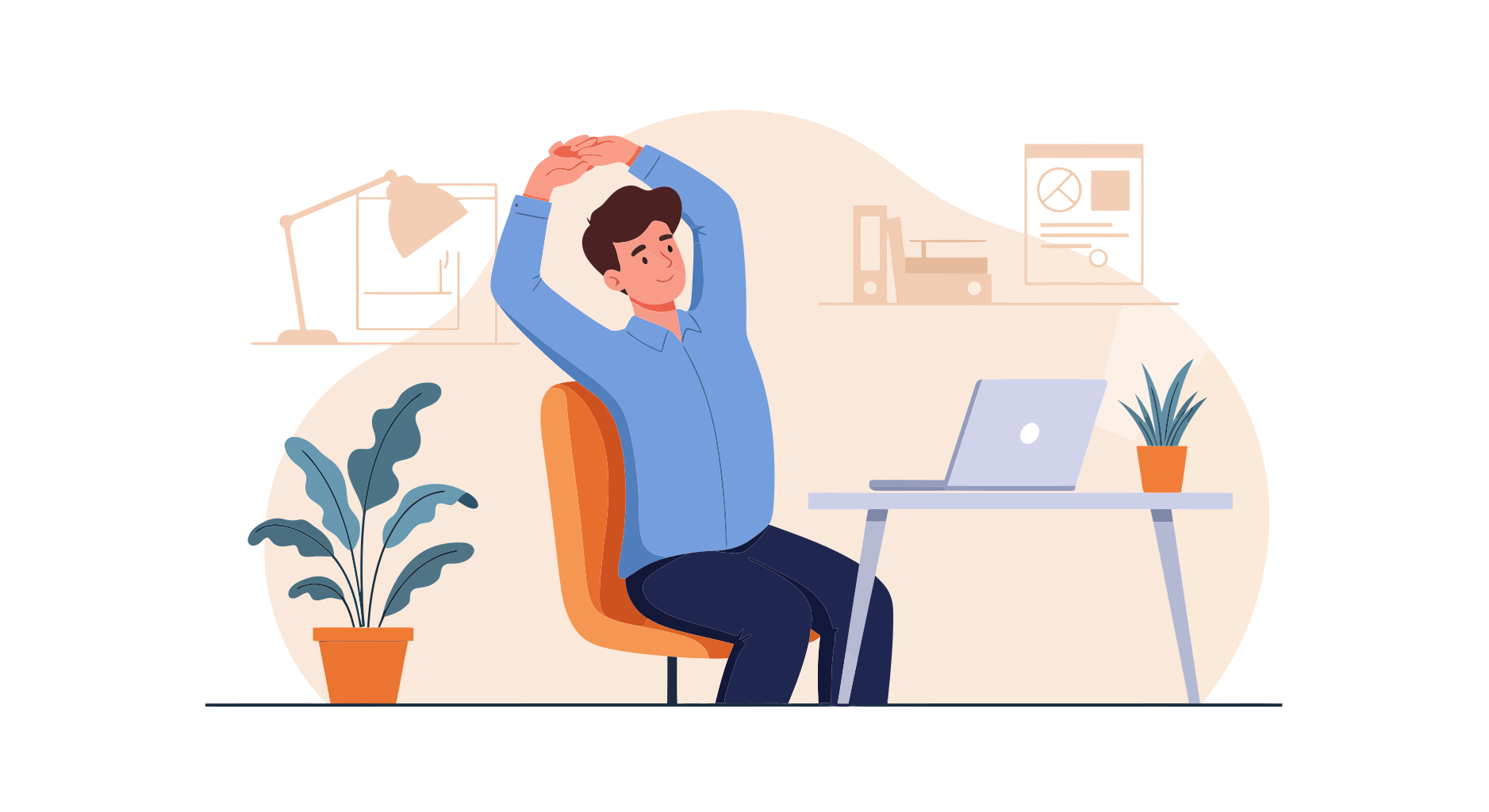
Lower back pain from sitting too long has quietly become one of the most common pain problems of modern life. It affects office workers, students, drivers, freelancers, business owners, and anyone whose day involves prolonged sitting with minimal movement.
In clinical physiotherapy practice, this type of pain is rarely caused by a sudden injury or serious spinal condition. Instead, it develops gradually due to how the body is positioned, loaded, and under-used for hours every day. Understanding why this happens is essential to managing it effectively and preventing it from becoming chronic.
Why Sitting for Long Hours Causes Lower Back Pain
The human spine is designed for movement and variation, not static postures. When you sit continuously for long periods, especially without proper support or movement breaks, several biomechanical changes occur.
From a clinical and biomechanical perspective, prolonged sitting leads to:
- Reduced activation of core and spinal stabilising muscles
- Increased compressive load on the lumbar intervertebral discs
- Tightening of hip flexors and hamstrings
- Reduced blood circulation to spinal muscles and connective tissues
Over time, these changes create muscle fatigue, stiffness, and mechanical stress, which present as pain in the lower back.
Importantly, in the early stages, this pain is usually mechanical rather than structural. That means it is related to load and movement patterns, not damage.
Common Symptoms of Sitting-Related Lower Back Pain
Lower back pain caused by prolonged sitting often follows a predictable pattern. People commonly experience:
- A dull, aching pain in the lower back
- Stiffness when standing up after sitting
- Discomfort that increases as the day progresses
- Temporary relief after walking, stretching, or changing position
Some people also report a feeling of tightness across the hips or lower spine, especially after long workdays.
The Role of Posture in Sitting-Related Back Pain
Posture significantly influences how sitting affects the lower back. Slouched or unsupported sitting increases stress on the lumbar spine and reduces the contribution of supportive muscles.
Clinically, poor sitting posture leads to:
- Overloading of spinal muscles
- Reduced engagement of the core
- Increased disc pressure
- Accelerated muscle fatigue
Even a "comfortable" position can be harmful if held for too long without movement.
Why Rest Alone Does Not Fix Sitting-Related Back Pain
A common belief is that back pain means the back needs rest. While short periods of rest may provide temporary relief, prolonged inactivity often worsens the problem.
From a physiotherapy standpoint, rest alone:
- Increases stiffness
- Weakens supportive muscles
- Reduces spinal mobility
Research consistently shows that appropriate movement and gradual strengthening are more effective than rest for mechanical lower back pain.
What Actually Helps Lower Back Pain From Sitting Too Long
1. Regular Movement Breaks
Standing up, walking, or gently stretching every 30-45 minutes helps restore circulation, reduce stiffness, and re-activate postural muscles.
2. Improving Sitting Posture
Using lumbar support, adjusting chair height, and keeping screens at eye level reduces unnecessary spinal strain. Small ergonomic changes can significantly reduce daily load on the lower back.
3. Strengthening Support Muscles
Strengthening the core, gluteal muscles, and lower back improves spinal support and resilience. These muscles help distribute load more evenly during sitting and movement.
4. Restoring Mobility
Gentle spinal mobility exercises help counteract stiffness caused by prolonged sitting and improve movement quality.
5. Supportive Pain Relief
Topical pain relief can help reduce muscle tightness and discomfort, especially during long workdays. It should be viewed as supportive, not a substitute for movement or rehabilitation.
Can Sitting-Related Lower Back Pain Become Chronic?
Yes. When prolonged sitting, poor posture, and weak support muscles are not addressed, mechanical lower back pain can gradually become chronic.
In clinical practice, chronic cases often develop not because of one major problem, but because small daily stresses accumulate over time.
Early intervention makes a significant difference.
When Lower Back Pain Needs Professional Attention
While most sitting-related lower back pain is manageable, professional evaluation is important if:
- Pain radiates down the leg
- There is numbness, tingling, or weakness
- Pain is severe or worsening
- Pain interferes with sleep or daily activities
These symptoms may indicate nerve involvement or other conditions that require targeted care.
Lower Back Pain and Lifestyle Factors
Several lifestyle factors commonly contribute to sitting-related back pain:
- Long working hours without breaks
- Sedentary routines
- Limited physical activity
- High stress levels
- Inadequate sleep
Addressing these factors alongside physical strategies improves long-term outcomes.
Preventing Lower Back Pain From Sitting Too Long
Prevention focuses on consistency rather than intensity. Effective preventive strategies include:
- Breaking up sitting time regularly
- Maintaining posture awareness
- Strengthening supportive muscles
- Staying physically active outside work hours
These habits reduce the likelihood of pain recurring.
Key Takeaway
Lower back pain from sitting too long is not a sign of damage—it is a signal that the body needs movement, support, and balance.
Managing it effectively requires:
- Regular movement
- Posture awareness
- Strength and mobility
- Consistent, supportive care
Ignoring early signs often leads to chronic discomfort, while timely action helps restore comfort and function.
Frequently Asked Questions
Is lower back pain from sitting too long serious?
In most cases, it is mechanical and manageable. Persistent or worsening symptoms should be evaluated.
How often should I take breaks from sitting?
Ideally every 30-45 minutes, even if only for a short walk or stretch.
Can topical pain relief help sitting-related back pain?
It can support muscle relaxation and comfort, but should be combined with movement and posture correction.